Why Unmanaged Clutter Becomes a Serious Property Liability Over Time
Why Unmanaged Clutter Becomes a Serious Property Liability Over Time
Unmanaged clutter is often brushed off as a temporary inconvenience or something that can be handled later. Over time, however, clutter evolves into a genuine property liability that impacts safety, health, usability, and overall property value. Whether the clutter exists inside a home, around a rental property, or across unused land, the risks grow steadily the longer it remains unaddressed. What starts as a few stored items or leftover materials can quietly create conditions that lead to accidents, infestations, and costly remediation.
Junk removal is not simply about appearance. It is a preventative measure that protects property owners, occupants, and visitors from escalating risks that develop gradually but predictably.
Safety Risks Increase Gradually but Predictably
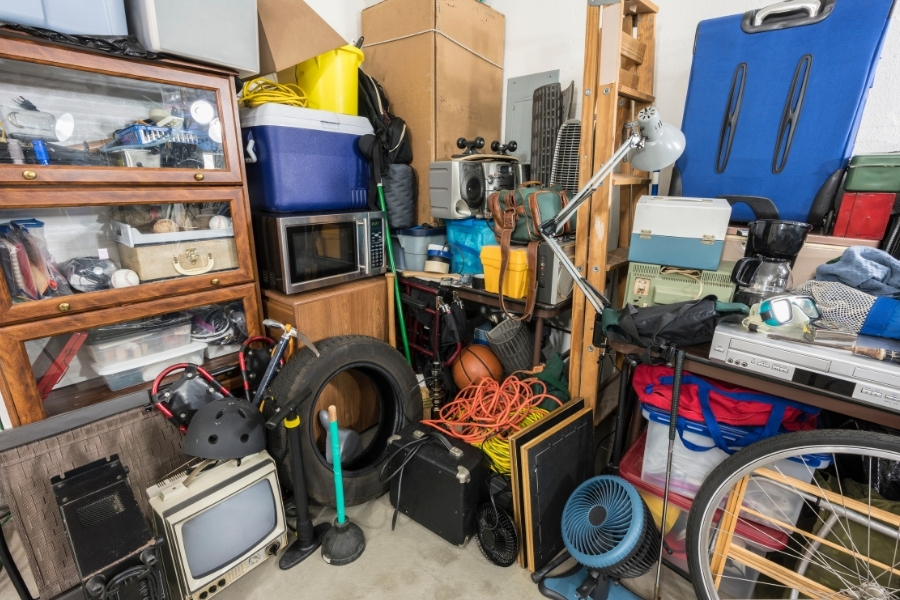
Clutter rarely causes immediate danger, which is why it is often ignored. Hazards form slowly as pathways narrow, items are stacked higher, and exits become obstructed. Stored furniture, old appliances, and unused materials can shift, tip, or collapse over time, especially in garages, storage rooms, and outdoor areas.
As clutter accumulates, emergency access becomes limited, lighting is obstructed, and visibility is reduced. These conditions significantly increase the likelihood of trips, falls, and injuries. Proactive junk removal restores clear walkways, improves accessibility, and reduces the risk of accidents long before an incident occurs.
Pest Infestations Thrive in Neglected Spaces
Cluttered environments provide ideal shelter for pests. Rodents, insects, and wildlife are drawn to piles of debris, unused furniture, and stored materials because they offer concealment and nesting opportunities. Once pests establish themselves, they spread quickly and are often difficult and expensive to eliminate.
Infestations do not remain contained. They can migrate into neighboring properties, causing additional damage and health concerns. Removing clutter eliminates hiding places and nesting areas, making properties far less attractive to pests and reducing the likelihood of long-term infestation problems.
Fire Hazards Become Harder to Control
Many cluttered areas contain combustible materials such as cardboard, wood, fabrics, and packaging. As these materials accumulate, the risk of fire increases significantly. Garages, sheds, yards, and storage areas are especially vulnerable when clutter restricts airflow and access.
In the event of a fire, cluttered spaces slow response times and make containment more difficult. Junk removal reduces fuel sources, improves access, and helps maintain safer conditions that minimize fire risk and potential damage.
The Financial Cost of Delayed Cleanup
Postponing cleanup often feels like a cost-saving decision, but the opposite is usually true. Over time, clutter leads to higher disposal costs, property damage, code violations, and reduced property value. Minor cleanups become major projects that require more labor, equipment, and expense.
Addressing clutter early through professional junk removal protects long-term property value, reduces liability exposure, and prevents small issues from turning into expensive problems.
Conclusion
Clutter is not harmless when left unmanaged. It creates safety hazards, health risks, and financial consequences that compound over time. Proactive junk removal is one of the simplest and most effective ways to protect properties and prevent minor issues from becoming serious liabilities.
For dependable property cleanup, contact Lift & Load Hauling at 352-835-2694.


